
Color Project


Introduction to Color Theory
Color Theory is both the science and art of using color. It explains how humans perceive color; and the visual effects of how colors mix, match or contrast with each other. Color theory also involves the messages colors communicate; and the methods used to create every color in the universe.
Essential Question
How do artists use color to communicate ideas and express emotion?

The Element of Color!
More than any other element of art, color can have an immediate and powerful impact on us, and in turn, on those who will view our art.
Instructions:
Take notes on the following color terms:
primary colors, secondary colors, and tertiary colors
warm vs. cool colors
the big three harmonious color combinations
tints, tones and shades
Before completing your notes, check out this video on how to blend color pencils.


Color Theory Project - PAUL KLEE
Review the following videos for inspiration on your project
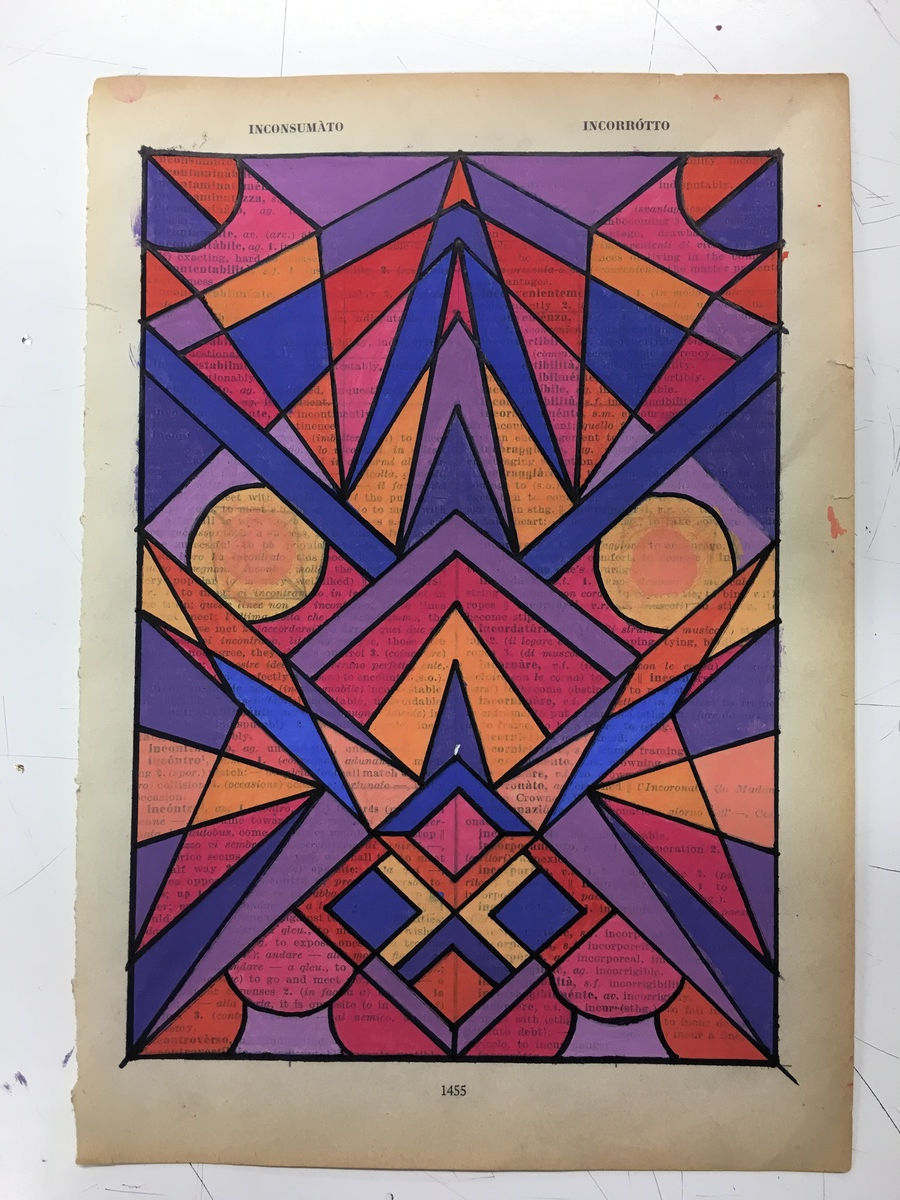
Paul Klee–Inspired Book Page Painting
You will create an abstract architectural painting inspired by Paul Klee—using color theory and tempera paint on pages from an old book.
Step 1: Get Your Book Pages Find an old book you’re allowed to destroy and tear out a few pages. Using a glue stick, collage your torn pages to a piece of paper to use as your canvas.
Tint Painting Instructions
(Tints = a color + white)
1. Draw Your Design
Use a pencil to create geometric shapes inspired by Klee and architecture (think: windows, blocks, rooftops, arches).
Keep it abstract—have fun with it!

2. Outline Your Shapes
Use a Sharpie or dark pen to outline your shapes so everything feels crisp and structured.

3. Add White First
Paint some shapes solid white. This helps your colors stand out later.

4. Add Your Base Color
Choose one color as your base (example: blue).
Paint a few shapes using that main color.

5. Create Tints
Mix white into your base color to make lighter versions.
Paint the remaining shapes with different tints of that same color.
6. Add More Layers
Once dry, add more layers for smoothness, texture, or variety.

7. Final Touches
Re-outline your shapes if you want stronger definition.
Add details or patterns if it makes your piece more interesting.
Project Planning
Complete your project plan. Then, check-in with your teacher before getting started. See example below:

Need Inspiration?
Look at examples from other students and from Paul Klee’s work to spark ideas.



Comments